
National Glaucoma Awareness Month draws attention to one of the most common causes of vision loss among older adults. Often referred to as the “silent thief of sight,” glaucoma can progress slowly without noticeable symptoms until vision loss has already begun. Managing this condition requires consistency, careful monitoring, and medical oversight. In-Home Skilled Nursing plays an important role in helping seniors protect their vision while remaining safe and comfortable at home.
Understanding Glaucoma and Its Impact on Daily Life
Glaucoma is a group of eye conditions that damage the optic nerve, often caused by increased pressure inside the eye. Left unmanaged, it can lead to permanent vision loss. For seniors, even mild vision changes can affect balance, safety, and confidence with daily activities.
Simple routines such as reading medication labels, navigating stairs, or moving through dimly lit spaces may become more challenging. Over time, unmanaged vision changes can increase the risk of falls and reduce independence. Early diagnosis and consistent care are key to slowing progression and maintaining quality of life.
Why Consistent Medical Support Matters
Glaucoma does not have a cure, but it can be managed effectively with proper treatment. Many seniors rely on prescription eye drops, oral medications, or ongoing medical evaluations to control eye pressure. These treatments only work when followed carefully and consistently.
Missing doses, using eye drops incorrectly, or delaying follow-up appointments can cause pressure levels to rise, increasing the risk of vision damage. For seniors managing multiple health conditions, keeping track of detailed treatment plans can become overwhelming without support.
This is where In-Home Skilled Nursing provides valuable structure. Skilled nurses help ensure treatments are followed correctly while monitoring for changes that may require medical attention.
How Skilled Nursing Supports Glaucoma Care at Home
Skilled nursing services bring licensed medical professionals into the home, allowing seniors to receive clinical care without unnecessary travel. For individuals living with glaucoma, this level of support may include:
- Administering and monitoring eye medications as prescribed
- Assisting with proper eye drop technique to ensure effectiveness
- Monitoring for side effects or changes in vision
- Coordinating communication with physicians and specialists
- Assessing overall health factors that may affect eye pressure
This consistent medical oversight helps seniors stay on track with treatment while reducing stress for both patients and families.
Reducing Safety Risks Related to Vision Changes
Vision loss can affect depth perception, balance, and spatial awareness. Even gradual changes can increase the likelihood of accidents in the home. Skilled nurses are trained to observe how vision changes may impact mobility and daily routines.
By identifying potential safety concerns early, nurses can help families address risks before injuries occur. This may include recommending adjustments to routines, encouraging the use of assistive devices, or alerting physicians to concerning changes in vision or coordination.
Staying at home with professional support allows seniors to remain in familiar surroundings, which can reduce confusion and anxiety often associated with vision loss.
Emotional Well-Being and Vision Health
Living with glaucoma can be emotionally challenging. Fear of vision loss often leads to anxiety, frustration, or withdrawal from activities once enjoyed. Seniors may hesitate to discuss these feelings, especially if they are focused on managing physical symptoms.
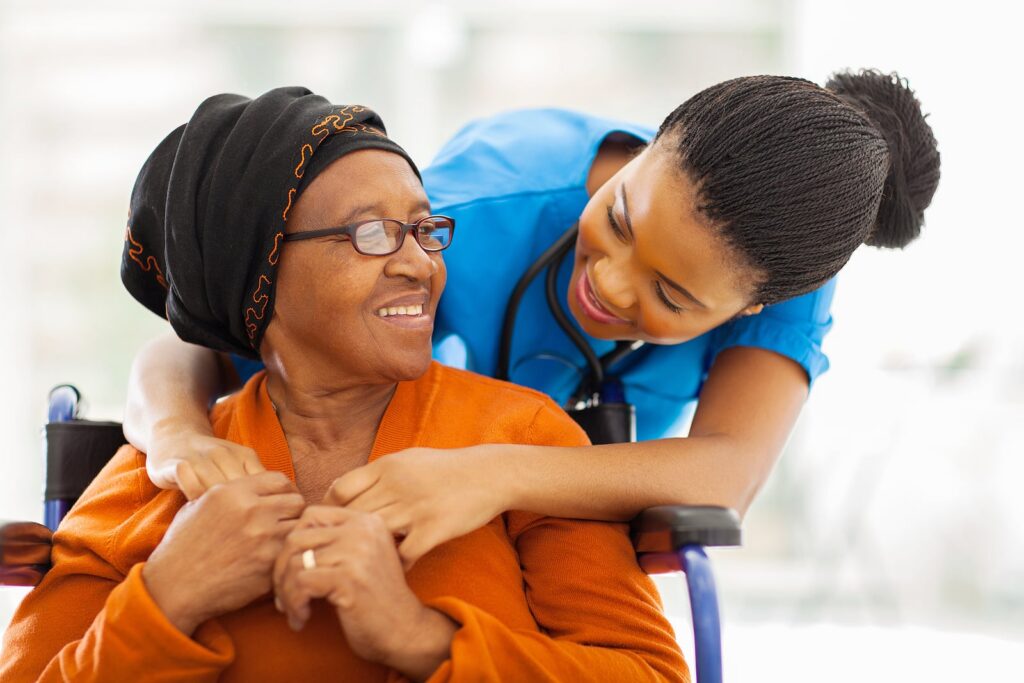
In-home medical support offers more than clinical care. Skilled nurses build trusting relationships with patients, offering reassurance and education along the way. Understanding the condition and feeling supported can ease emotional strain and help seniors feel more confident managing their health.
Family Peace of Mind Through Professional Oversight
Family members often want to help but may feel unsure about how to support complex medical needs. Skilled nursing services relieve this burden by providing professional monitoring and clear communication.
Families benefit from knowing that a licensed nurse is overseeing care, watching for changes, and coordinating with healthcare providers as needed. This reassurance allows loved ones to focus on emotional support rather than medical management.
Naples Bay Home Care provides skilled nursing services that help families feel confident their loved one’s health needs are being addressed with care and precision.
Awareness Month as a Time for Planning
National Glaucoma Awareness Month serves as a reminder to prioritize eye health and proactive care. For seniors already diagnosed, it is an opportunity to review treatment plans and ensure adequate support is in place. For families, it is a time to learn more about how vision changes can affect safety and independence.
Early planning allows seniors to remain at home longer with the right level of medical oversight. In-Home Skilled Nursing offers a way to combine independence with professional care, creating a safer and more supportive living environment.
Supporting Independence While Managing Chronic Eye Conditions
Vision loss does not have to mean loss of independence. With proper medical support, seniors can continue participating in daily routines and maintaining their preferred lifestyle.
Naples Bay Home Care helps make this possible by providing skilled nursing services tailored to individual health needs. Through consistent monitoring, medication management, and compassionate care, seniors living with glaucoma can focus on living fully while protecting their sight.
If you or an aging loved one are considering in-home skilled nursing care in Old Naples, FL, contact the caring staff at Naples Bay Home Care. Call today to get your home care questions answered: (239) 307-7730