

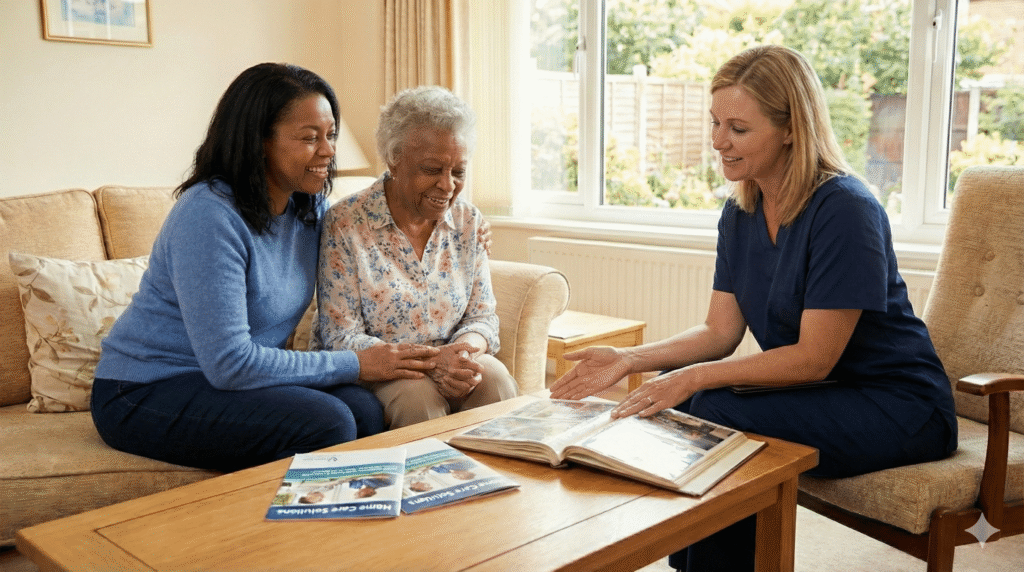
Caring for a loved one with memory loss requires patience, flexibility, and steady support. Dementia affects not only the individual but also the entire family. As memory changes progress, daily routines can become more complex, and even simple tasks may require guidance. In-home dementia care creates a partnership between professional caregivers and families, allowing seniors to remain in familiar surroundings while receiving consistent and compassionate assistance.
Understanding the Daily Realities of Memory Loss
Dementia impacts memory, reasoning, communication, and behavior. A loved one may forget recent conversations, struggle to follow instructions, or experience mood changes without clear triggers. These shifts can be confusing and emotionally difficult for families.
Daily routines that once felt automatic—such as bathing, dressing, or preparing meals—may require hands-on support. Over time, supervision may also become necessary to ensure safety. Families often try to manage everything on their own at first, but the emotional and physical demands can grow quickly.
Having structured support in place helps reduce uncertainty and ensures that seniors receive care tailored to their evolving needs.
Why Routine and Familiarity Matter
For individuals living with dementia, routine provides comfort. Predictable schedules help reduce anxiety and limit confusion. Familiar surroundings also play a powerful role in supporting emotional stability.
Remaining at home allows seniors to stay connected to personal belongings, photographs, and long-established habits. These familiar elements help reinforce identity and provide reassurance throughout the day.
Professional caregivers work within these established routines, supporting structure rather than disrupting it. This approach helps seniors feel secure while receiving the assistance they need.
How Professional Care Enhances Daily Life
Families bring love and history to caregiving, while trained caregivers bring experience and structured techniques. Together, they form a balanced approach.
Caregivers provide support with:
- Personal care tasks handled with patience and respect
- Meal preparation that maintains nutrition and routine
- Medication reminders to encourage consistency
- Companionship that promotes calm and engagement
- Gentle redirection during moments of confusion
This steady presence allows seniors to move through the day with less stress and fewer disruptions. In-home dementia care focuses on maintaining dignity while offering practical assistance. Caregivers understand how to respond calmly to behavioral changes, reducing tension and promoting a peaceful environment.
The Importance of Open Communication
A strong partnership depends on communication. Families know their loved one’s personality, preferences, and life history better than anyone. Professional caregivers rely on this information to personalize care effectively.
Regular updates help families stay informed about mood changes, appetite, sleep patterns, or behavioral shifts. This ongoing dialogue builds trust and ensures everyone is working toward the same goals.
When concerns arise, communication allows adjustments to be made quickly. This proactive approach prevents small issues from becoming larger problems.
Reducing Stress for Family Caregivers
Caregiving can be emotionally demanding. Family members may experience exhaustion, interrupted sleep, or feelings of guilt when they need a break. Over time, constant supervision can strain even the strongest relationships.
Professional support allows families to share responsibility without stepping away from involvement. Instead of focusing solely on tasks, families can spend time connecting through conversation, shared memories, or quiet companionship.
Naples Bay Home Care understands that supporting families is just as important as supporting seniors. By offering consistent assistance, caregivers help restore balance within the household.
Creating a Calm and Supportive Environment
Behavioral changes such as agitation, restlessness, or confusion can occur unexpectedly. Responding calmly and consistently is key to reducing stress for everyone involved.
Caregivers trained in memory support techniques use reassurance, simple instructions, and redirection to guide seniors through challenging moments. Maintaining a peaceful tone and steady routine helps prevent escalation.
A calm home environment benefits not only the individual with dementia but also family members who may otherwise feel overwhelmed.
Adapting as Needs Change
Dementia progresses differently for each person. Some individuals require minimal reminders at first, while others may need more comprehensive assistance over time. Flexibility is essential.
Care plans evolve as needs change. This may include increasing supervision, adjusting daily routines, or providing more hands-on support with personal care. Having professional guidance during these transitions reduces uncertainty and helps families feel prepared.
Preserving Dignity and Personal Identity
Memory loss can gradually affect a person’s sense of identity. Supporting dignity remains a central part of effective care. This means honoring preferences, encouraging participation where possible, and speaking with respect at all times.
Caregivers take time to learn about hobbies, favorite music, lifelong routines, and meaningful traditions. These details help create moments of connection that reinforce individuality.
Even small gestures—listening attentively, maintaining eye contact, or acknowledging feelings—help preserve self-worth and emotional comfort.
A Shared Commitment to Safety and Stability
Safety is often one of the greatest concerns for families. Wandering, medication confusion, or difficulty recognizing hazards can increase risk. Consistent supervision and structured routines help minimize these dangers.
By working together, families and caregivers create a stable support system. Everyone understands their role, and responsibilities are clearly shared. This teamwork reduces stress and builds confidence in daily care decisions.
Naples Bay Home Care is committed to fostering this collaborative approach, ensuring seniors living with memory loss receive thoughtful, reliable assistance at home.
Stronger Care Through Partnership
Caring for someone with dementia is not a journey families must face alone. When relatives and professional caregivers collaborate, seniors benefit from steady routines, compassionate interaction, and attentive support.
Through communication, patience, and mutual respect, families can create a balanced environment that promotes comfort and dignity. In-home dementia care makes it possible to maintain connection, safety, and stability—strengthening not just care, but the entire family dynamic.
If you or an aging loved one are considering in-home dementia care in Port Royal, FL, contact the caring staff at Naples Bay Home Care. Call today to get your home care questions answered: (239) 307-7730